


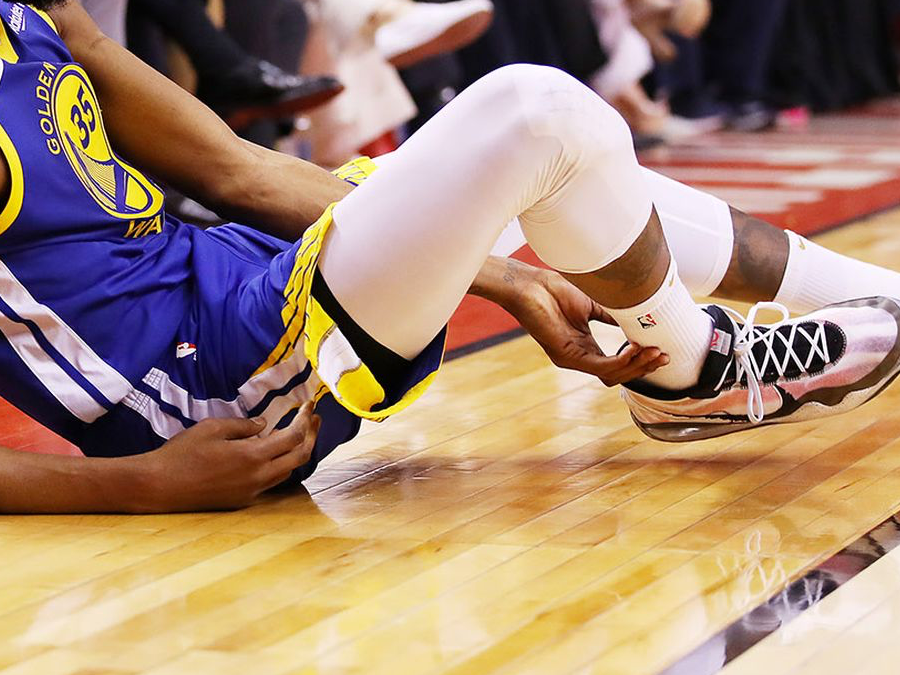
The Achilles Tendon is the largest and strongest tendon in the human body. It connects the calf muscle to the heel bone and plays a fundamental role during walking, running and jumping, allowing force generated by the muscles to be transferred efficiently to the ground.
Despite its remarkable ability to tolerate high loads, the Achilles Tendon is particularly sensitive to repetitive stress. For this reason, it is one of the most commonly injured structures in sports that involve running, jumping and rapid changes of direction.
What is Achilles Tendinopathy?
Achilles Tendinopathy is a painful condition characterized by structural and functional changes within the tendon. For many years it was commonly referred to as "Achilles tendonitis", suggesting that inflammation was the primary cause of symptoms. Current research has shown that most chronic cases involve tendon degeneration, altered collagen organization and a reduced ability to tolerate load rather than a purely inflammatory process.
Types of Achilles Tendinopathy
Insertional Achilles Tendinopathy:
this condition affects the lower portion of the tendon where it attaches to the heel bone (calcaneus). Pain is usually localized at the tendon insertion and may worsen when the tendon is compressed against the calcaneus during movement.
Mid-portion Achilles Tendinopathy:
this form affects the central part of the tendon, typically between two and six centimeters above the heel bone. Common findings include:
- tendon thickening
- pain during activity
- morning stiffness
- tenderness when the tendon is palpated
- reduced tolerance to running and jumping
This is the most common form seen in runners and jumping athletes.
Partial tears and complete raptures
In more severe cases, the tendon may develop partial tears or rupture completely. These injuries can occur suddenly following a traumatic event or represent the final stage of a long-standing degenerative process.
Common symptoms
Symptoms may develop gradually over time or appear more suddenly. The most common include:
- pain along the Achilles Tendon
- morning stiffness
- pain during running or jumping
- symptoms that improve after warming up but return after exercise
- local swelling
- tendon thickening
- reduced athletic performance
In more advanced cases, even daily activities such as walking or climbing stairs may become painful.
Causes and risk factors
Achilles Tendinopathy is generally caused by an imbalance between the load applied to the tendon and its ability to adapt.
Intrisic factors
These are individual characteristics that may increase the risk of injury:
- reduced calf strength
- limited ankle mobility
- excess body weight
- age-related changes
- foot biomechanical alterations
- Haglund deformity
- previous tendon injuries
Extrinsic factors
These are external factors related to training and environment:
- sudden increases in training volume
- returning to sport too quickly after a period of inactivity
- inadequate physical preparation
- changes in training surfaces
- poor footwear selection
- excessive running or jumping volume
- insufficient recovery between training sessions
Treatment
Treatment should always be individualized according to the severity of the condition and the athlete's goals.
Load management:
the first step in rehabilitation is managing tendon load appropriately. Reducing aggravating activities does not mean complete rest. Instead, the goal is to find a level of activity that the tendon can tolerate without causing a significant increase in symptoms.
Medical treatment:
medication may help manage pain during the early stages of recovery. Any injection-based treatment should be carefully discussed with a qualified medical professional, considering both potential benefits and risks.
Physical therapy:
manual therapy and physical therapy modalities may be used as supportive treatments. However, passive therapies should never replace a properly structured exercise program, which remains the cornerstone of rehabilitation.
Rehabilitation
The primary goal of rehabilitation is to progressively increase the tendon's ability to tolerate load.
Recovery time varies considerably and may range from a few weeks to several months depending on the severity of the condition.
The main objectives are:
- reducing pain
- restoring function
- improving calf strength
- increasing load tolerance
- returning safely to sport
The role of eccentric training
The eccentric protocol developed by Alfredson remains one of the most studied rehabilitation strategies for Achilles Tendinopathy. The classic exercise involves performing a single-leg calf raise on a step while focusing on a slow and controlled lowering phase. The goal is not necessarily to eliminate all discomfort during exercise but to keep symptoms within acceptable and monitored levels.
Heavy slow resistance training
Heavy Slow Resistance (HSR) training has gained increasing popularity in recent years. This approach combines slow, controlled movements with progressively heavier loads, allowing the tendon to adapt through both concentric and eccentric muscle contractions.
Balance training and return to sport
As symptoms improve, rehabilitation should gradually include:
- balance exercises
- single-leg stability drills
- plyometric exercises
- running progressions
- jumping progressions
Return to sport should always be guided by the tendon's response to increasing loads rather than by arbitrary timelines.
Prevention
Many cases of Achilles Tendinopathy can be prevented through proper training management.
Effective prevention strategies include:
- gradual progression of training loads
- adequate recovery
- regular calf strengthening
- maintaining ankle mobility
- monitoring symptoms early
Persistent Achilles Tendon pain should never be ignored. Early assessment and intervention often lead to faster recovery and help prevent chronic tendon problems.
References:
- Alfredson H, Pietilä T, Jonsson P, Lorentzon R.
- Cook JL, Purdam CR.
- Malliaras P, Barton CJ, Reeves ND, Langberg H..
- Silbernagel KG, Thomeé R, Eriksson BI, Karlsson J.
- Brukner P, Khan K.
- Maffulli N, Longo UG, Kadakia A, Spiezia F.
How we manage it in Practice
The following example reflects an approach frequently adopted in our daily work with athletes. It is not intended as a universal rehabilitation protocol and should always be individualized according to the athlete, the sport, and the stage of rehabilitation.
In our experience, the primary goal is not to eliminate load completely but to make it manageable. Tendons require an appropriate mechanical stimulus to maintain and restore their capacity to adapt, while sudden increases in training volume or intensity should be avoided.
When symptoms allow, we often include a short 10-15 minute preparation routine before training:
- 5 minutes of low-intensity cycling or brisk walking
- dynamic ankle and hip mobility exercises
- Bilateral calf raises: 3 sets of 15 repetitions
- Single-leg calf raises: 3 sets of 8-10 repetitions per leg, emphasizing controlled eccentric loading
- progressive Heavy Slow Resistance exercises according to the athlete's tolerance
- gradual progression toward low-level plyometrics, running, and finally sport-specific movements
Throughout the rehabilitation process, we carefully monitor the tendon response during the 24 hours following each session. If symptoms remain stable or improve, training load is progressively increased; if symptoms worsen, load is temporarily modified or reduced.
Rather than pursuing complete absence of pain at all costs, our objective is to progressively increase the tendon's capacity to tolerate the mechanical demands of sport while minimizing the risk of recurrence.