


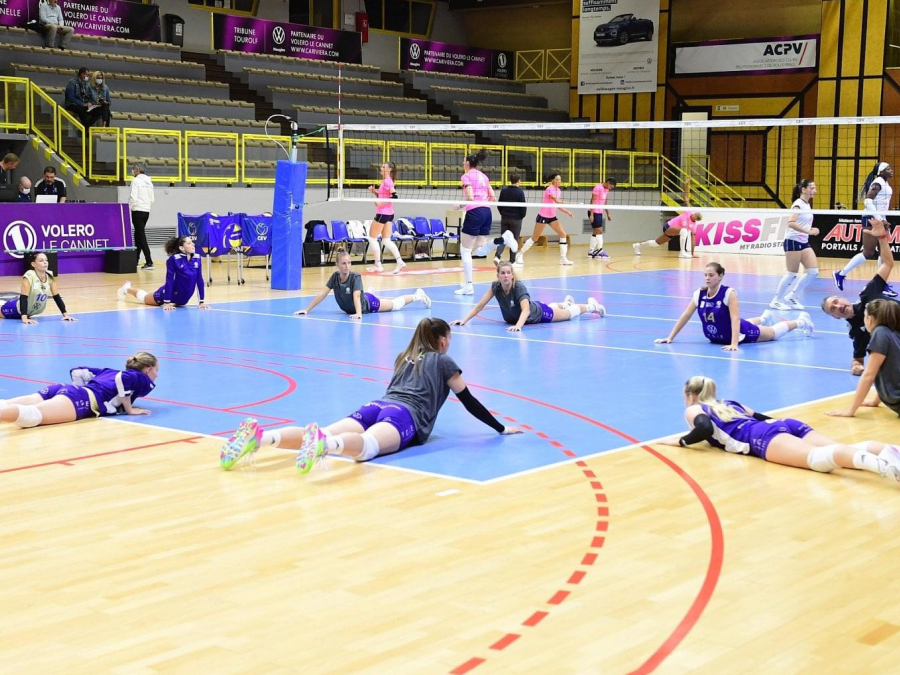
(Written by Oscar Berti - Strength&Conditioning Coach Modena Volley)
In sport, whether individual or team-based, the term "warm-up" is commonly used to describe the initial phase of a training session or competition. It is the period that prepares athletes for the work that follows.
Over the years, however, many coaches and strength and conditioning professionals have started to prefer the term "activation". While warming up certainly includes increasing body and muscle temperature, the real objective is much broader: preparing the muscular, joint and nervous systems for the specific demands of training and competition.
In volleyball, activation routines can vary considerably depending on the coach, the strength and conditioning specialist and the needs of the team. Despite these differences, the goal remains the same: preparing athletes to perform at a high physical and technical level.
Personally, I like to vary both methods and exercises, building activation routines that are closely linked to the objectives of the upcoming session. This approach provides athletes with a variety of stimuli while allowing training to remain specific and purposeful.
In practice
I generally distinguish three different activation routines depending on the type of session that follows and on the objectives shared with the coaching staff.
1. Pre-training activation in the weight room
The primary goal of this type of activation is to prepare athletes for the technical session through injury prevention and individualized corrective work.
Athletes follow specific protocols designed to address muscle groups and joint structures that require additional attention. These decisions are usually based on preseason assessments performed together with the medical and physiotherapy staff, as well as on any overload patterns or deficits identified during the training process.
Personally, I prefer starting with highly specific exercises that address individual needs before progressing toward more global and metabolic activities, gradually increasing movement speed and intensity.
Particular attention is always given to movement quality and to the objectives established for the session.
This type of activation is generally used on days that do not include a dedicated strength training workout in addition to the technical practice.
2. Pre-training activation on court without the ball
This routine is divided into two separate phases:
2a. Phase 1
The first 10-12 minutes are dedicated to guided exercises aimed at preparing athletes for the movement ranges required during the session. Activities typically include:
- Joint mobility exercises
- Motor control drills
- Short-duration stretching exercises
- Postural muscle activation
Special attention is given to both the lower limbs and the shoulder complex, as these areas play a fundamental role in volleyball performance.
2b. Phase 2
During the following 6-8 minutes, athletes are encouraged to focus on their individual needs. This allows them to address specific mobility restrictions, muscular stiffness or movement limitations, creating a more personalized and effective preparation phase.
3. Technical activation
The third approach involves integrating technical drills directly into the activation process.
In this case, activation itself becomes part of the technical preparation and serves as a bridge toward the main objectives of the practice session. Collaboration between the strength and conditioning coach and the technical staff becomes essential.
For example, if the primary focus of the training session is serve reception, one group of athletes may perform activation exercises in the weight room while receivers and setters work on reception and setting drills on court. This approach allows technical skills and positional interactions to be stimulated from the very beginning of the session. Mobility exercises and movement preparation drills can be incorporated between repetitions and player rotations without disrupting the technical flow.

The final step
At the end of each activation routine, I believe it is beneficial to dedicate approximately ten minutes to a specific drill or game related to the main theme of the upcoming training session.
If blocking is the primary focus, athletes may perform coordination exercises emphasizing lateral footwork and movement efficiency.
If aerobic conditioning is a priority, high-intensity drills can be used to progressively elevate heart rate and prepare athletes for more demanding work.
Personally, I always try to make this phase engaging and competitive. I often introduce challenges between athletes or groups and occasionally borrow ideas from other sports, provided they remain aligned with the goals of the session. All activation plans and exercise protocols are shared with the coaching staff to ensure that physical preparation and technical development complement one another. Objectives may change according to the phase of the season, the weekly training schedule or even the specific needs of a given day.
Final considerations
There is no single correct way to organize activation in volleyball. Every coach and strength and conditioning specialist develops a personal approach based on the characteristics of the team, the philosophy of the coaching staff and the needs of individual athletes.
The most important aspect is ensuring that activation is not viewed merely as a transition phase, but as a valuable tool for improving training quality, reducing injury risk and preparing athletes to perform at their best from the very first minutes of practice.
References:
- Bishop D. Warm Up I: Potential Mechanisms and the Effects of Passive Warm Up on Exercise Performance.
- Bishop D. Warm Up II: Performance Changes Following Active Warm Up.
- Jeffreys I. Warm-Up Strategies for Sport and Exercise.
- NSCA. Essentials of Strength Training and Conditioning.
- Bompa TO, Buzzichelli C. Periodization: Theory and Methodology of Training.